Understanding Cabinet Makers and Their Craft
Cabinet making is an age-old profession that engages the skills of artisans dedicated to creating functional and aesthetically pleasing furniture. In a world where mass production often overshadows craftsmanship, the role of cabinet makers remains vital. They combine artistry with engineering to produce custom cabinetry that reflects individual tastes and spaces. This article will explore the essence of cabinet makers, detailing their craft, the design process, the tools they utilize, the challenges they face, and the care required for custom cabinetry.
What Defines Expert Cabinet Makers?
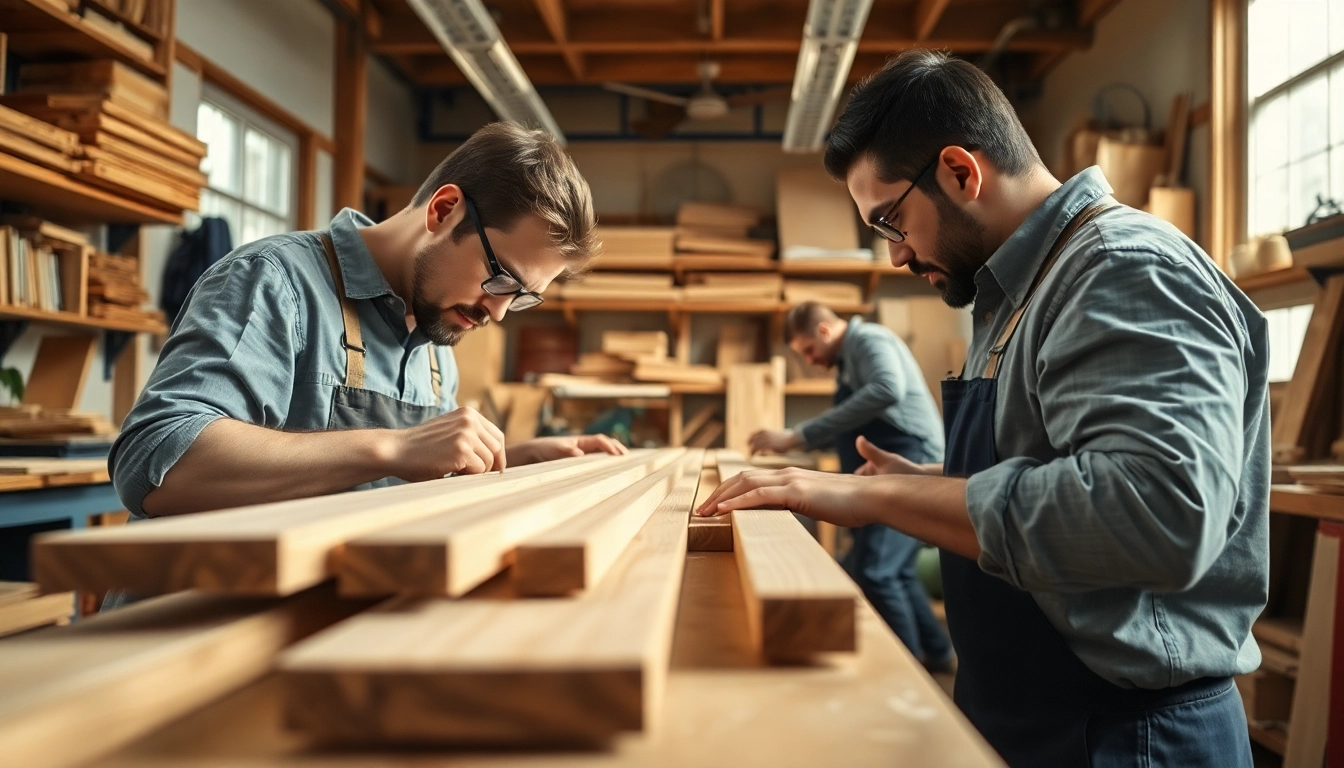
Expert cabinet makers possess a unique blend of skills, knowledge, and creativity. These professionals are not merely woodworkers; they are artists who understand the intricacies of design and the properties of various materials. A hallmark of their expertise is precision. They have the ability to transform visions into reality, utilizing advanced techniques honed through years of experience. Knowledge of woodworking science, design principles, and functionality guides their decision-making process. This convergence of art and science is what truly defines expert cabinet makers.
The Importance of Custom Furniture in Design
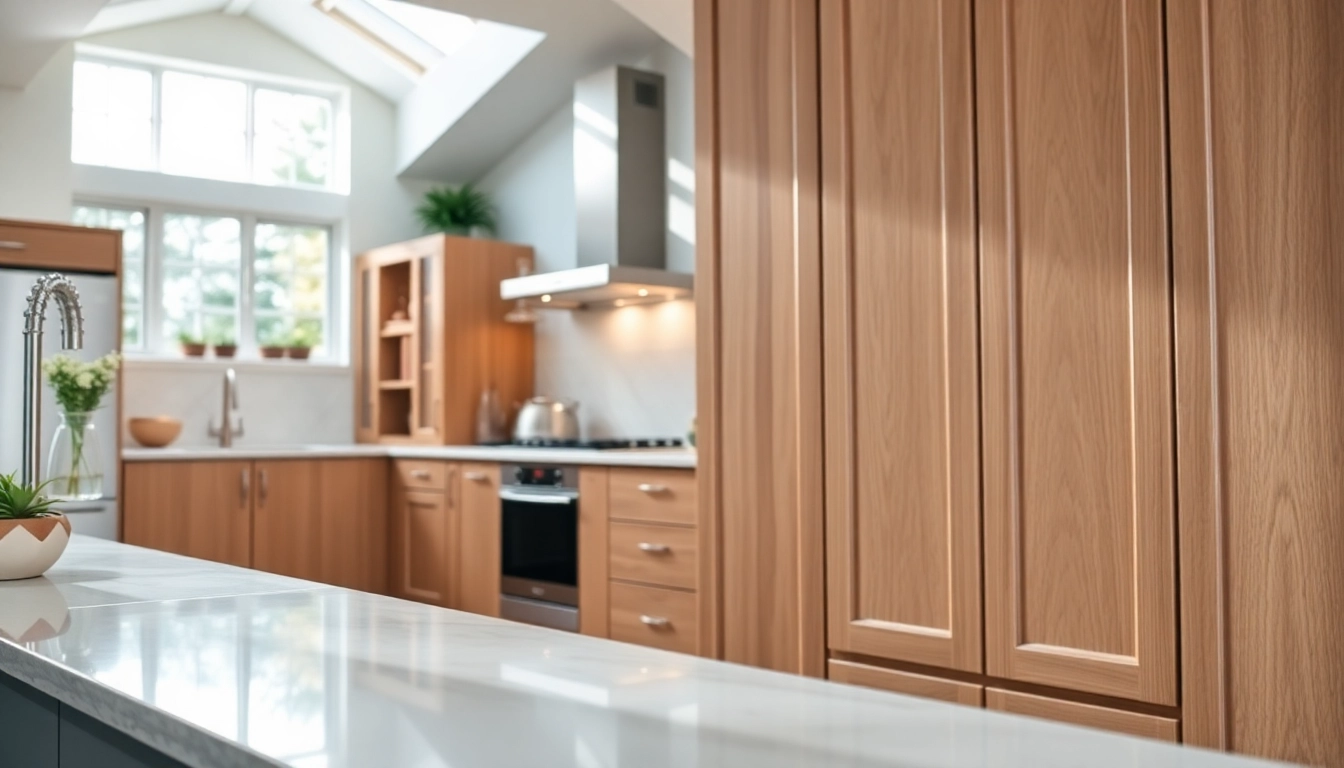
In interior design, custom furniture plays a crucial role. It allows homeowners to express their unique style, optimizes the usage of space, and incorporates functionality into aesthetics. Custom cabinetry offers a tailored solution that can fit seamlessly into any room, maximizing storage while maintaining design integrity. From kitchen cabinets to sophisticated vanities, custom furniture can elevate the overall design scheme of a space, making it distinctly personal. Additionally, custom-made items often promise durability as they are crafted with care, ensuring longevity and resilience.
Common Materials Used by Cabinet Makers
Cabinet makers utilize a variety of materials, each chosen for its specific attributes and suitability for different projects. Common materials include:
- Hardwoods: Popular choices like oak, maple, cherry, and walnut are known for their strength, beauty, and durability.
- Softwoods: Pine and cedar are lighter and often used for custom pieces due to their workability and resale value.
- Composite Materials: Plywood and MDF offer consistent quality and are often utilized for intricate designs.
The choice of material significantly influences the style, cost, and longevity of the furniture, with each option providing different finishes and aesthetics.
The Design Process of Cabinet Makers
Initial Consultation and Idea Generation
The journey of creating custom cabinetry begins with an initial consultation. During this phase, cabinet makers engage with clients to understand their needs, preferences, and design visions. This interaction is crucial as it establishes a connection and ensures that the end product resonates with the client’s expectations. Ideas are brainstormed, and sketches are often generated to help visualize the concepts shared. The dialogue allows for the exploration of styles, colors, and materials while addressing any practical considerations, such as usage and space constraints.
Creating Detailed Designs and Prototypes
Upon finalizing the concept, the cabinet makers move on to creating detailed designs and prototypes. This often involves using CAD software to generate precise designs that reflect the dimensions, materials, and finishes agreed upon during the consultation. A prototype may be constructed to provide clients with a tangible preview of the design. This step is invaluable as it allows for adjustments before the final piece is built, further ensuring that the client is satisfied with the envisioned project. Feedback during this phase is crucial and can significantly alter the direction of the cabinet design.
Finalizing Specifications and Materials
After refining the designs, cabinet makers work on finalizing specifications and materials. This includes selecting the type of wood, finishes, and hardware that will be used in the construction. Decisions made in this stage often revolve around functionality, appearance, and intended use. Furthermore, cabinet makers provide insights into which materials will not only enhance the design but also align with the homeowner’s lifestyle and maintenance expectations. The culmination of this phase produces a comprehensive plan that guides the entire build process.
Techniques and Tools Used by Cabinet Makers
Essential Hand Tools for Cabinet Makers
Hand tools are an integral part of a cabinet maker’s arsenal. From chisels and hand saws to planes and clamps, these tools allow for precision work that machines cannot replicate in some cases. Chisels provide control for detailed carving, while hand saws allow for intricate cuts and joints. Manual techniques can also give a more personalized touch to each piece, which is often appreciated in custom work. Mastering these tools enables cabinet makers to showcase exceptional craftsmanship and maintain a high standard of quality.
Advanced Machinery in Modern Cabinetry
While hand tools are essential, advanced machinery has transformed the cabinet making landscape. CNC machines, routers, and laser cutters enhance precision and efficiency, allowing cabinet makers to execute intricate designs with minimal error. These machines can handle complex cuts and patterns that would be time-consuming or difficult to achieve by hand. The integration of technology enables rapid production without compromising quality, appealing to both traditional craftsmanship and modern efficiencies.
Techniques for Precision and Quality
Quality craftsmanship is rooted in technique. Cabinet makers employ various methods to ensure precision in their work. Techniques such as mortise-and-tenon and dovetail joinery add strength and durable connections that withstand the test of time. Surface finishing methods, including staining, painting, and sealing, enhance the wood’s natural beauty while providing protection from wear and tear. Mastering these techniques enables cabinet makers to deliver not only beautiful but also robust pieces that reflect their skill and dedication.
Challenges Faced by Cabinet Makers
Time Management in Custom Projects
Time management is one of the most significant challenges faced by cabinet makers. Custom projects require meticulous planning; however, unexpected delays often occur due to client revisions, material availability, or unforeseen complications. Balancing multiple projects can also tempt cabinet makers to rush through stages, potentially compromising quality. Developing efficient workflows and maintaining open communication with clients are essential strategies to mitigate time management issues and meet deadlines while ensuring quality.
Balancing Creativity and Client Specifications
Cabinet makers often find themselves balancing their creative input with client specifications. While they may have insightful ideas about design elements and functionality, clients often have their own visions, anchored in personal taste and expectations. Navigating this delicate balance requires strong interpersonal skills and flexibility. Cabinet makers must be willing to listen and adapt while also educating their clients about feasibility and the best practices in design.
Dealing with Material Limitations
Material limitations can present a major challenge for cabinet makers. Variances in wood grain, color, and problem areas can affect design consistency and customer satisfaction. Additionally, the availability of certain types of wood can fluctuate due to various factors, including environmental regulations. Cabinet makers must be adaptable, sourcing alternatives and adjusting designs when necessary while still striving for paid quality standards. Being knowledgeable about different materials and their characteristics is pivotal in navigating these restraints effectively.
Maintaining and Caring for Custom Cabinetry
Essential Care Tips for Wood Furniture
Custom cabinetry requires regular maintenance to preserve its beauty and durability. Essential care tips include cleaning surfaces with a soft cloth, avoiding harsh chemicals, and placing coasters under items to prevent water damage. Regular dusting and immediate spill clean-up can also help prevent stains and wood damage. Ensuring that spaces remain well-ventilated can avoid moisture build-up that often leads to warping or mold. By following these practices, homeowners can extend the life of their custom furniture significantly.
Restoration Techniques for Aging Cabinets
Over time, even the most exquisite cabinetry can show signs of wear. Restoration techniques vary depending on the level of aging and damage. For minor scratches, wood polish can bring back luster, while more significant wear may require sanding down and refinishing. Replacing hardware or adding new features can also revitalize an older piece. Understanding when and how to restore can make a profound difference in preserving the value and beauty of cabinetry.
When to Seek Professional Help
There are instances when seeking professional help for cabinetry is appropriate. If a cabinet is deeply stained, extensively chipped, or has structural damage, a cabinet maker’s expertise may be needed for repairs that require specialized knowledge and techniques. Additionally, intricate restorations or modifications, such as changing hardware or finishes, may also be best left to the professionals to preserve authenticity and quality.
Frequently Asked Questions
What is the typical timeline for cabinet makers to complete a project?
Custom projects can take anywhere from a few weeks to several months, depending on complexity.
How much does it typically cost to hire cabinet makers?
Pricing varies based on design, materials, and craftsmanship, averaging from $1,000 to $10,000.
What types of wood do cabinet makers prefer?
Common choices include oak, maple, cherry, and walnut, each offering unique characteristics.
Can cabinet makers create modern styles?
Yes, many cabinet makers specialize in both traditional and contemporary furniture styles.
What maintenance is required for custom cabinetry?
Regular cleaning, avoiding moisture exposure, and periodic refinishing help extend the furniture’s life.