Understanding Mitsubishi Mini Split AC Systems
What is a Mitsubishi mini split AC?
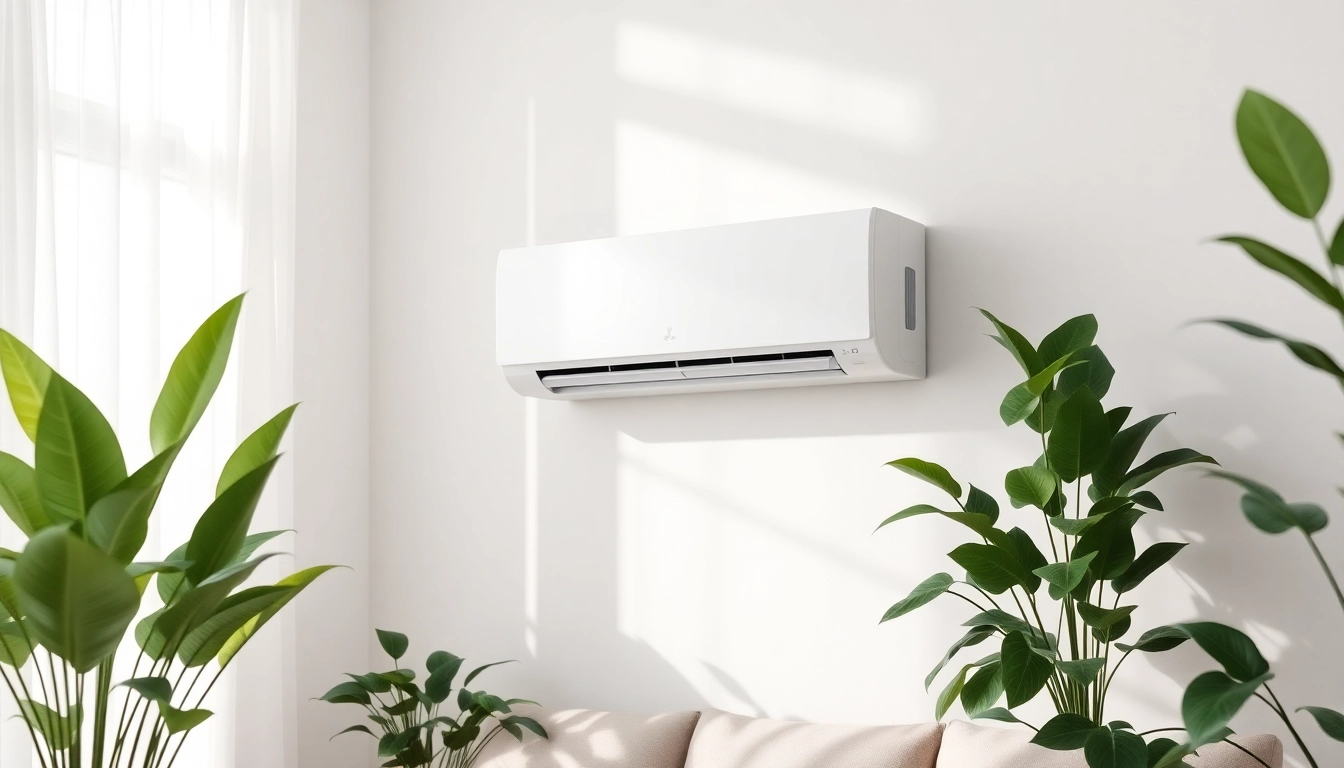
Mitsubishi mini split AC systems are advanced heating and cooling solutions designed to maintain comfort in various spaces without the complexity of traditional ducted systems. Unlike conventional air conditioning units that rely on ducts to distribute air, mitsubishi mini split ac systems use individual units installed in different rooms, allowing for precise temperature control. They consist of an outdoor condenser unit and one or more indoor air handling units connected by refrigerant lines. This design results in efficient temperature regulation, minimal noise, and versatile installation options, making them particularly suitable for residential and commercial needs.
Benefits of mini split systems
The benefits of adopting a Mitsubishi mini split AC system are numerous. First and foremost, these systems offer incredible energy efficiency, often boasting high Seasonal Energy Efficiency Ratios (SEER). This efficiency not only helps reduce monthly energy bills but also supports environmental sustainability by decreasing carbon footprints. Additionally, mini split systems operate quietly, enhancing the comfort of indoor environments without the noise associated with traditional HVAC systems.
Moreover, Mitsubishi mini split AC units enable zoned heating and cooling, providing the flexibility to cool or heat individual rooms based on occupancy and comfort preferences. This feature is particularly advantageous in larger homes or workshops where different spaces may require different temperatures. Lastly, with easier installation, mini split systems do not require extensive ductwork, making them a less invasive solution for homes without existing ducts. Overall, Mitsubishi mini split AC systems combine comfort, efficiency, and flexibility, making them an appealing choice for many homeowners.
Key features to look for
When selecting a Mitsubishi mini split AC, several key features should be prioritized to ensure optimal performance and satisfaction. Look for models with high SEER ratings, as this indicates greater energy efficiency. Advanced systems often include features such as inverter technology, which ramps the compressor speed up and down based on cooling demand, leading to less energy waste.
Additionally, consider systems that offer a range of indoor unit styles, including wall-mounted, ceiling-mounted, or ducted options, to suit the aesthetics and layout of your space. Wireless remote controls or smartphone compatibility can further enhance user convenience by enabling easy temperature adjustments from anywhere in the home. Furthermore, reliable air filtration systems can improve indoor air quality, making models with additional filters an attractive option. Selecting the right features will ultimately enhance your experience with your Mitsubishi mini split AC system.
Installation Process for Mitsubishi Mini Split AC
Preparing your space for installation
Before diving into the installation of a Mitsubishi mini split AC system, adequate preparation is essential. First, evaluating the space intended for cooling is crucial. Measure the area to ensure the capacity of the mini split units appropriately matches your cooling needs. Additionally, assess the best locations for the indoor and outdoor units, considering factors such as proximity to existing electrical systems and the absence of obstructions that could hinder airflow.
Prepare the installation space by clearing any furniture or obstacles that may interfere with the process. Ensure that the walls are sturdy enough to support the indoor units and confirm the drainage plan for condensation for reliable operation. Professional consulting can also help identify any additional requirements such as reinforcement or the need for specific electrical setups to accommodate the system.
Step-by-step installation guide
The installation of a Mitsubishi mini split AC unit typically follows a series of straightforward steps. While some homeowners might opt for DIY installation, enlisting a professional can ensure optimal results. Here’s a simplified overview:
- Choose Unit Location: Select the spots for both the indoor and outdoor units that maximize efficiency and convenience.
- Mount the Indoor Unit: Use brackets to securely attach the indoor air handler to the wall, ensuring it is level for proper drainage.
- Drill a Hole: Drill a small hole in the wall for the refrigerant and drainage lines, keeping it angled lightly downward to facilitate drainage.
- Install the Outdoor Unit: Position the outdoor condenser unit on a stable platform or concrete pad, ensuring it’s clear of debris and maintains airflow.
- Connect the Lines: Carefully route and connect the refrigerant lines, electrical wires, and drainage hose between the two units.
- Circuit Connection: Connect to power using a dedicated circuit and ensure all wiring complies with local codes before turning on the system.
- Test the System: After installation, perform a system check to ensure it is operating correctly, adjusting settings as necessary.
Each step in the installation process requires careful attention to detail and an understanding of the HVAC system to ensure safe and effective operation.
Common installation challenges and solutions
While installing a Mitsubishi mini split AC system is generally straightforward, several common challenges may arise. One frequent issue is inadequate refrigerant line length. If the distance between indoor and outdoor units exceeds the allowable length, it may hinder performance. A solution is to consult with HVAC professionals to evaluate the layout and determine suitable extensions or adjustments.
Another challenge can be poor drainage, which may lead to leaks or water damage. Ensuring that the installation site allows for proper drainage and checking for any blockages in the drainage line is vital. Additionally, relying on manufacturers’ guidelines for drain line routing can mitigate these issues. Lastly, electrical issues may surface—such as incorrect wiring—that could affect operational safety. Enlisting qualified electricians to handle electrical connections is highly recommended to prevent any potential hazards.
Energy Efficiency and Cost Savings
Understanding SEER ratings
Understanding Seasonal Energy Efficiency Ratio (SEER) ratings is key to grasping the energy efficiency of a Mitsubishi mini split AC. SEER measures the cooling output during a typical cooling-season divided by the total electric energy input during the same period. A higher SEER rating indicates a more energy-efficient system, meaning it uses less electricity for the same amount of cooling compared to units with lower ratings.
Modern Mitsubishi systems typically offer SEER ratings significantly above the minimum efficiency standards, translating to substantial savings on energy bills over time, especially in regions with extensive cooling demands. Homeowners should check for the SEER rating when selecting systems and consider investing in models with higher ratings for greater long-term savings and reduced environmental impact.
How Mitsubishi mini split AC saves energy
Mitsubishi mini split AC systems are designed to save energy in several critical ways. First, their ductless design eliminates energy losses commonly associated with ducted systems, which can lose up to 30% of air to leaks and inefficiencies. Additionally, the inverter technology equipped in many Mitsubishi models allows the compressor to adjust its speed according to the temperature needs. This means the system can cool spaces rapidly without overworking when cooling demands decrease.
Moreover, zoned heating and cooling capabilities enable homeowners to personalize their heating and cooling according to room usage. This focus on targeted climate control means that energy consumption aligns closely with actual needs, resulting in fewer wasted resources. By choosing a Mitsubishi mini split AC system, homeowners can significantly enhance their home’s energy efficiency.
Long-term savings analysis
Investing in a Mitsubishi mini split AC system can yield considerable long-term savings, justifying the initial costs. Although upfront costs may be higher compared to traditional HVAC systems, the energy efficiency and reduced operational costs of mini splits lead to substantial returns over their lifespan. On average, homeowners could save hundreds of dollars annually on energy bills due to their efficient operation.
Furthermore, many Mitsubishi models come with impressive warranties that protect your investment and may cover repairs or replacements. Couple these savings with minimal maintenance costs, and homeowners can expect a return on their investment within a few years. Conducting a thorough cost analysis that factors in installation, energy savings, and maintenance will provide a clearer picture of the financial benefits of investing in a Mitsubishi mini split AC system.
Maintenance Tips for Longevity
Daily and seasonal maintenance tasks
To maximize the lifespan and performance of your Mitsubishi mini split AC, regular maintenance is pivotal. Daily maintenance tasks can be minimal but impactful. For instance, regularly checking and changing or cleaning air filters can ensure proper airflow and efficiency. Dust and debris accumulation can severely affect performance and should be cleaned as needed.
Seasonal maintenance tasks should include inspecting the outdoor unit for obstructions such as leaves or debris, which can impede airflow and affect functionality. Clearing condensation lines and checking the refrigerant levels at least once a year can prevent issues before they escalate. Scheduling professional maintenance checks semi-annually can ensure that all components function correctly and that any potential issues are identified early on.
Signs your Mitsubishi mini split AC needs service
Being aware of the signs that indicate your Mitsubishi mini split AC requires service can help avoid costly repairs. If you notice unusual noises, such as clanking or grinding, it may suggest loose parts or motor issues that need professional attention. Additionally, if your unit fails to maintain the desired temperature or delivers fluctuating temperatures, it could indicate a malfunction in the thermostat or compressor.
Changes in energy bills, such as unexplained increases, can also signify inefficiencies within the system or duct leakage. An unpleasant odor emanating from the unit may indicate mold growth or other serious problems affecting air quality. Monitoring these signs and acting promptly can prolong your unit’s lifespan and maintain optimal performance.
How to troubleshoot common issues
Though Mitsubishi mini split systems are designed for reliability, some common issues may require troubleshooting. If the system fails to cool properly, first ensure that the filters are clean. Dirty filters can block airflow, leading to reduced cooling efficiency. Furthermore, check that the outdoor unit is clear of debris that could obstruct airflow.
If you experience problems with the remote control or settings, verify that the unit is set to the correct mode and that the batteries in the remote are functioning properly. For more complex issues, such as refrigerant leaks or electronic failures, consider consulting a professional technician. Regular servicing can help prevent such issues and extend the life of your Mitsubishi mini split AC.
Frequently Asked Questions about Mitsubishi Mini Split AC
What size mini split AC do I need for my space?
The size of the mini split AC depends on the area you intend to cool. A larger space typically requires a unit with higher BTU ratings. Consulting a professional for an accurate assessment based on room size is recommended.
Can a Mitsubishi mini split AC be used for heating?
Yes, many Mitsubishi mini split systems have heating functions, making them versatile for year-round comfort. They can efficiently heat spaces using inverter technology.
How loud is a Mitsubishi mini split AC unit?
Mitsubishi mini split AC units are known for their quiet operation, with noise levels typically running between 19 to 45 decibels, depending on the model. This makes them suitable for residential use.
Is professional installation necessary?
While some homeowners may attempt DIY installation, professional installation is recommended. This ensures compliance with local codes, optimal performance, and helps avoid warranty issues.
How often should I perform maintenance on my unit?
Regularly check your filters once a month and have your Mitsubishi mini split AC serviced by a professional at least once or twice a year to maintain efficiency and detect potential issues early.