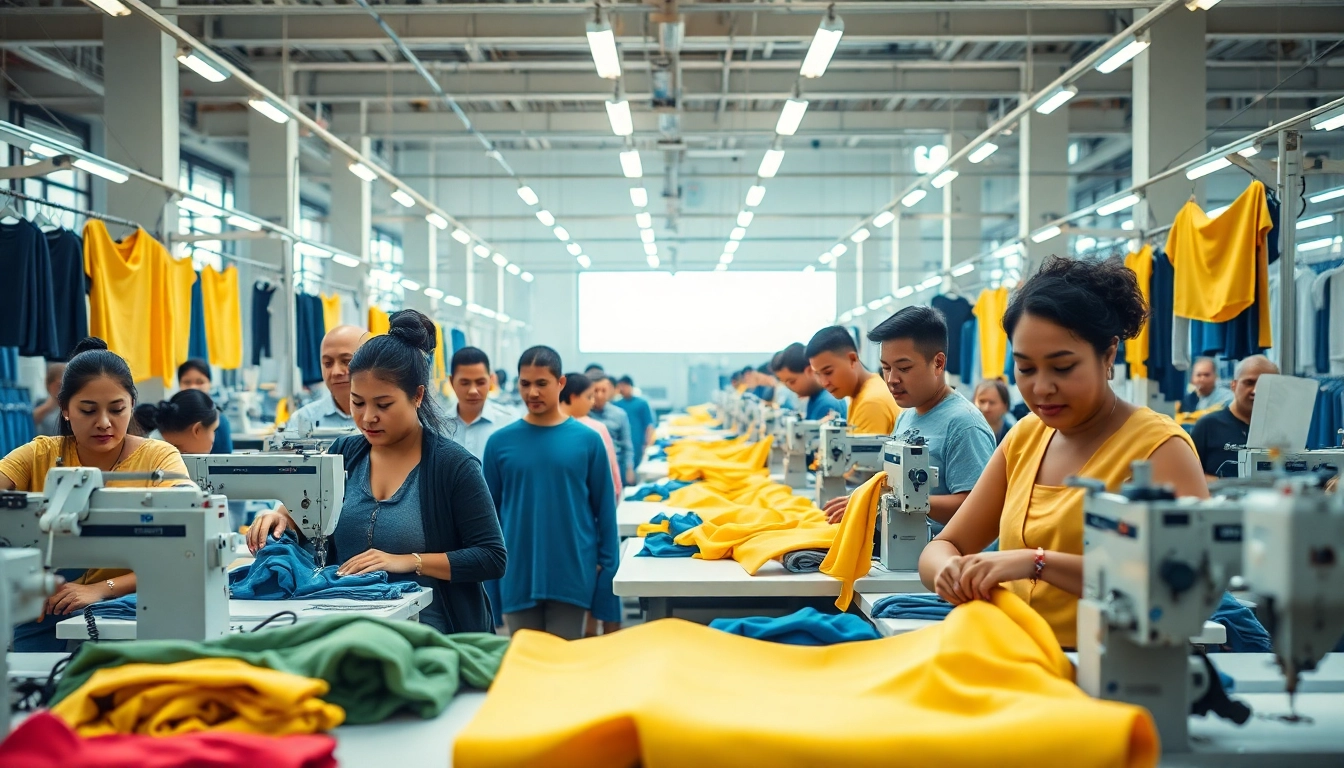
The Role of Clothing Manufacturers in China
Overview of the Clothing Manufacturing Landscape
The Chinese clothing manufacturing sector is a crucial component of the global apparel industry, dominating significant portions of production across various segments. This industry has evolved dramatically over the last few decades, transforming China into the world’s leading supplier of clothing. Many businesses worldwide rely on Clothing manufacturers in China for their cost-effective solutions, adept labor force, and extensive infrastructure.
Impact on Global Supply Chains
Chinese clothing manufacturers play an instrumental role in global supply chains, providing a vast range of products that cater to different markets and demographics. Their ability to scale production quickly and efficiently has made them invaluable to brands looking to meet consumer demand swiftly. With advanced logistics networks, manufacturers can ensure that products are delivered promptly, allowing companies to maintain their inventory while minimizing lead times.
Cultural Aspects of Manufacturing in China
The rich cultural heritage of China impacts its manufacturing sector in various ways. Chinese manufacturers often emphasize craftsmanship and the meticulous detail involved in garment production, combining traditional techniques with modern practices. Understanding the cultural nuances can enhance collaborations between foreign brands and Chinese manufacturers, leading to mutually beneficial relationships.
Key Benefits of Partnering with Clothing Manufacturers in China
Cost-Effectiveness and Quality
One of the primary advantages of partnering with clothing manufacturers in China is their ability to offer reduced production costs without compromising on quality. This cost-effectiveness stems from economies of scale, lower labor costs, and well-established supply chains. Many manufacturers uphold stringent quality standards, ensuring that the final products meet both local and international regulations and customer expectations.
Access to Advanced Technology
Chinese manufacturers are increasingly adopting advanced technologies, including automated machinery and digital design tools. This technological advancement facilitates faster production times and higher accuracy, positively impacting product quality. Companies leveraging these technologies benefit from shorter turnaround times and enhanced design precision.
Flexibility in Production Capabilities
The flexibility of Chinese clothing manufacturers in adapting to changing trends is another vital benefit. They can efficiently manage small batches or large-scale productions, catering to seasonal shifts and dynamic market demands. This adaptability enables brands to introduce new lines promptly and stay competitive within fast-paced industries where trends can shift rapidly.
Challenges Faced by Clothing Manufacturers in China
Labor Issues and Sustainability
Despite the advantages, challenges exist within the Chinese manufacturing sector, particularly concerning labor practices. Reports of poor working conditions and low wages have drawn global scrutiny. Moreover, as sustainability becomes a significant concern, manufacturers are facing pressure to adopt eco-friendly practices, leading to a need for more transparency in labor conditions and environmental impact.
Quality Control Measures
Quality control remains a significant challenge for clothing manufacturers in China, especially when dealing with numerous production units and maintaining high standards across various products. Implementing rigorous quality checks at every stage of production is essential to reduce defects and ensure that the products meet the desired specifications. This often involves third-party inspections and audits, adding to cost and logistics complexities.
Logistical Challenges in Global Shipping
The logistics of transporting manufactured clothing to global markets can be fraught with challenges. Transport delays, customs regulations, and fluctuating shipping costs can disrupt supply chains. Companies must maintain strong relationships with logistics partners and develop contingency plans to mitigate these risks effectively.
Best Practices for Effective Collaboration
Choosing the Right Manufacturer
Selecting the right clothing manufacturer is a critical step towards success. Brands should conduct thorough research on potential partners, focusing on their capabilities, production capacity, quality control measures, and track record. Recommendations and testimonials from past clients can also provide insights into a manufacturer’s reliability and quality standards.
Establishing Clear Communication
Effective communication is key to a successful partnership. Brands should establish clear lines of communication with their manufacturers to ensure that expectations, timelines, and specifications are understood. Regular updates and meetings can prevent misunderstandings and align both parties on project goals.
Setting Quality Standards
Developing clear quality standards and specifications is essential when working with clothing manufacturers. Brands are encouraged to provide comprehensive guidelines on materials, construction methods, and finishing details. Conducting inspections throughout the manufacturing process and final product checks can also ensure that these standards are met consistently.
Future Trends in Clothing Manufacturing in China
Technological Innovations and Automation
The future of clothing manufacturing in China will likely be shaped by ongoing technological innovations. Automation, artificial intelligence, and big data analytics are gradually being integrated into manufacturing processes, creating smarter factories that can enhance production efficiency and reduce operational costs. Companies must remain aware of these advancements to leverage new opportunities effectively.
Shifts in Consumer Preferences
As consumer preferences continue to evolve towards personalized and sustainable products, manufacturers must adapt to meet these demands. Brands that prioritize ethical sourcing and sustainable practices may find a competitive edge in a market increasingly focused on responsible consumption. Adaptability to these changes will be vital for manufacturers looking to thrive.
Environmental Sustainability Initiatives
As global awareness of climate change grows, so does the pressure on manufacturers to adopt sustainable practices. China’s clothing manufacturing industry is responding by implementing strategies focused on reducing environmental impact through energy-efficient processes, sustainable materials, and waste reduction initiatives. This commitment not only helps enhance brand reputation but also meets the rising consumer demand for ethical products.
FAQs
1. What are the benefits of working with clothing manufacturers in China?
Benefits include cost-effectiveness, advanced technology access, and flexibility in production capabilities, allowing brands to scale efficiently.
2. Are there any ethical concerns with clothing manufacturing in China?
Yes, concerns exist regarding labor practices and sustainability. Brands should conduct due diligence to ensure ethical operations.
3. How can brands ensure quality when working with Chinese manufacturers?
Brands can set clear quality standards, conduct regular inspections, and maintain effective communication throughout the production process.
4. What technological advancements are influencing Chinese clothing manufacturing?
Technological advancements including automation, artificial intelligence, and data analytics are enhancing production efficiency and quality.
5. How is consumer preference shifting in the apparel industry?
Consumers increasingly favor sustainable, personalized products, prompting manufacturers to adapt their practices accordingly.