Understanding Remote Call Control
What is Remote Call Control?
Remote call control refers to the technology that enables users to manage their phone calls from a distance, usually by leveraging software that integrates with existing telecommunications systems. It allows individuals to handle incoming and outgoing calls on various devices—such as smartphones, tablets, and computers—without being physically present at the telephone. This functionality is increasingly crucial in today’s mobile and remote work environments, where flexibility and efficient communication are paramount. By offering features like call answering, transferring, and muting, remote call control empowers users to maintain a connection regardless of their physical location. For more insights, consider exploring remote call control solutions that can fit your organizational needs.
Key Features of Remote Call Control
- Call Management: Ability to answer, end, mute, or transfer calls remotely from any integrated device.
- Integration: Seamless integration with CRM systems and communication tools allows for improved workflow.
- Mobile and Desktop Applications: Accessible via both mobile and desktop applications for convenience.
- Real-time Notifications: Instant alerts and notifications for incoming calls and messages.
- Call Recording: Recording features for compliance and training purposes, ensuring that important conversations are not lost.
How Remote Call Control Works
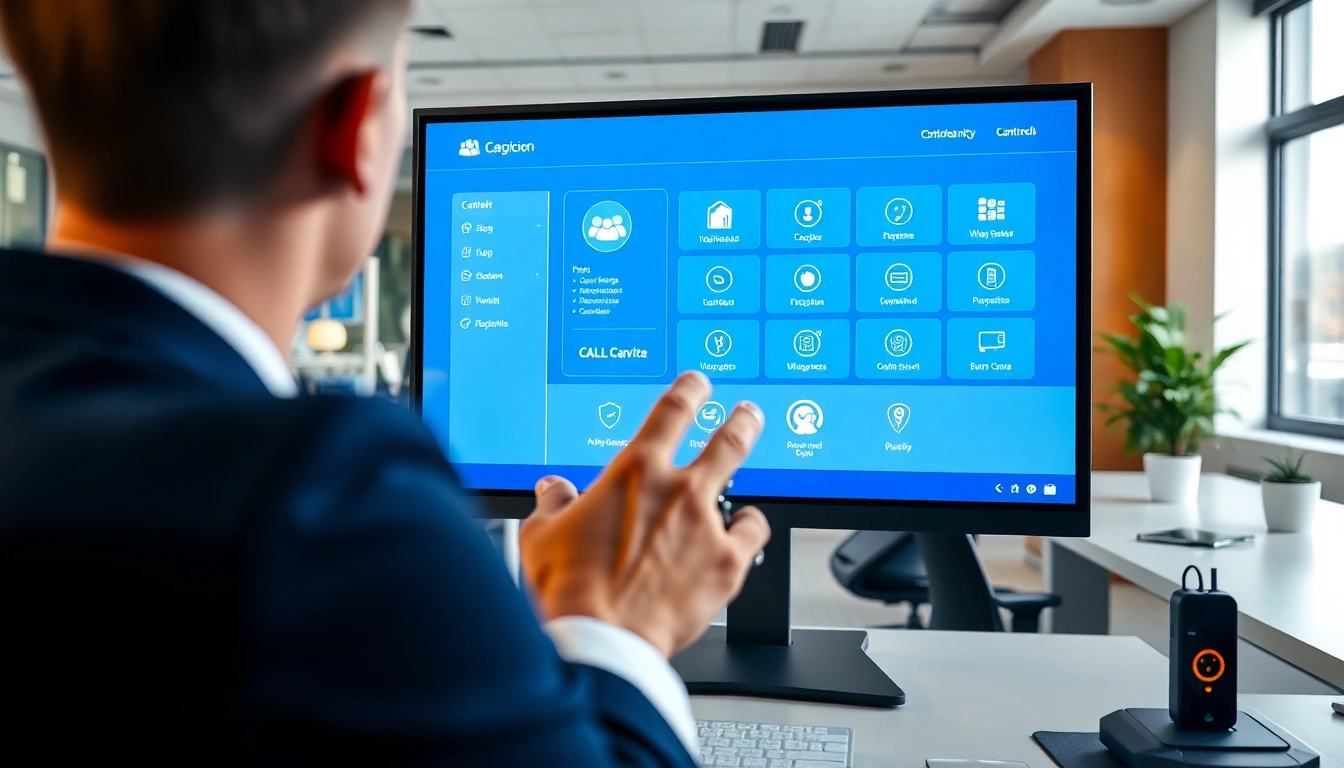
The functioning of remote call control typically involves several components that work in tandem. Primarily, a cloud-based system connects the user’s communication devices with the company’s telephony infrastructure. Users can manage their calls through a web portal or mobile app, which interfaces directly with their desk phone or PBX system. When a call comes in, the system sends a notification to the user’s device, allowing them to answer it regardless of their location. Additionally, users can choose to direct incoming calls to alternative devices, ensuring they never miss important communications. This blending of cloud technology and traditional telecommunications creates a powerful and flexible communication solution.
Advantages of Using Remote Call Control
Enhanced Productivity for Remote Teams
One of the most significant benefits of remote call control is the enhanced productivity it offers to remote teams. By allowing employees to manage calls from their preferred devices, they can respond to customers and colleagues promptly, regardless of where they are working. This ensures that team members remain connected and efficient, ultimately leading to higher levels of customer satisfaction. The ability to collaborate in real-time and manage communications effectively can transform how teams function, supporting a more fluid and dynamic work environment.
Flexibility in Communication
Flexibility is another paramount advantage of remote call control. Employees can work from various locations—whether at home, in a café, or while traveling—without sacrificing their ability to stay connected. This adaptability is particularly essential in the current climate where hybrid work models are becoming more prevalent. Employees can freely choose how and where they communicate, leading to a more engaged workforce and improved job satisfaction.
Improved Call Management
Remote call control systems often come equipped with sophisticated call management capabilities that simplify communication processes. Features like call forwarding, call screening, and integrated voicemail allow users to manage their communications efficiently. This not only reduces the number of missed calls but also empowers employees to prioritize their responses based on urgency. By streamlining communication, organizations can significantly enhance their operational productivity and reduce delays in response times.
Implementing Remote Call Control in Your Organization
Choosing the Right Tools
When considering the implementation of remote call control, selecting the right tools is critical. Organizations should evaluate their specific communication needs, budget constraints, and technological compatibility. Look for providers that offer comprehensive features aligned with your requirements as well as the flexibility to grow alongside your business. User-friendly interfaces, strong customer support, and robust security protocols should also be critical factors during your decision-making process.
Setting Up Remote Call Control Systems
Setting up remote call control systems typically involves a thorough assessment of your existing telecommunications infrastructure. This includes integrating software with current hardware like desk phones, mobile devices, and communication platforms. The setup process should prioritize user experience, making it intuitive for employees to connect and operate the system efficiently. In many cases, a pilot program can be beneficial to test the solution’s efficacy before a full rollout.
Training Your Team
Effective training is crucial for successful adoption of remote call control systems. Organizations should invest time in creating comprehensive training programs that cover the system’s functionalities, best practices, and troubleshooting techniques. Providing ongoing support and resources ensures that employees feel comfortable using new technologies, leading to higher engagement levels and better utilization of the system’s features.
Measuring the Effectiveness of Remote Call Control
Key Performance Indicators
To gauge the effectiveness of remote call control initiatives, organizations must establish relevant key performance indicators (KPIs). Metrics such as call response times, call volume handled per employee, customer satisfaction scores, and the number of missed calls can provide insights into performance improvements. Regularly tracking these KPIs enables stakeholders to make data-driven decisions to enhance communication strategies.
Feedback Mechanisms
Implementing feedback mechanisms is essential for continuous improvement. Regular surveys, one-on-one feedback sessions, and performance reviews can help organizations understand user experiences with the remote call control system. Soliciting feedback not only aids in determining areas for enhancement but also encourages a culture of open communication, where suggestions and concerns are valued.
Continuous Improvement Strategies
Continuous improvement should be a core focus after deploying remote call control solutions. Analyzing performance data and feedback allows teams to identify trends and make necessary adjustments. Hosting periodic training refreshers, revisiting system configurations, and proactively adapting to evolving communication technologies will ensure that your business remains agile and responsive to changes in the market.
Frequently Asked Questions
What are the benefits of remote call control?
Remote call control enhances productivity by allowing users to manage calls from anywhere, reducing missed calls and streamlining communication processes.
Is remote call control secure?
Yes, most remote call control systems use encryption and secure protocols to protect your calls and sensitive information from unauthorized access.
Can remote call control be integrated with existing systems?
Absolutely! Many remote call control solutions can seamlessly integrate with existing IT and telecommunications systems for easy implementation.
What devices are compatible with remote call control?
Remote call control typically works with various devices including smartphones, tablets, and computers, offering versatile connectivity options.
How can I improve team adoption of remote call control?
Providing training, showcasing benefits, and ensuring user-friendly interfaces can significantly enhance team adoption and effective use of remote call control.
Contact Information
Customer Service Email: [email protected]
Mobile Sales Email: [email protected]
Support Email: [email protected]
Call us: 0333 015 2615
Head Office: Fareham Innovation Centre, Merlin House, 4 Meteor Way, Fareham, Lee-on-the-Solent, PO13 9FU.
London Address: 124 City Road, London, EC1V 2NX
Manchester Address: Bartle House, Oxford Court, Manchester, M2 3WQ