
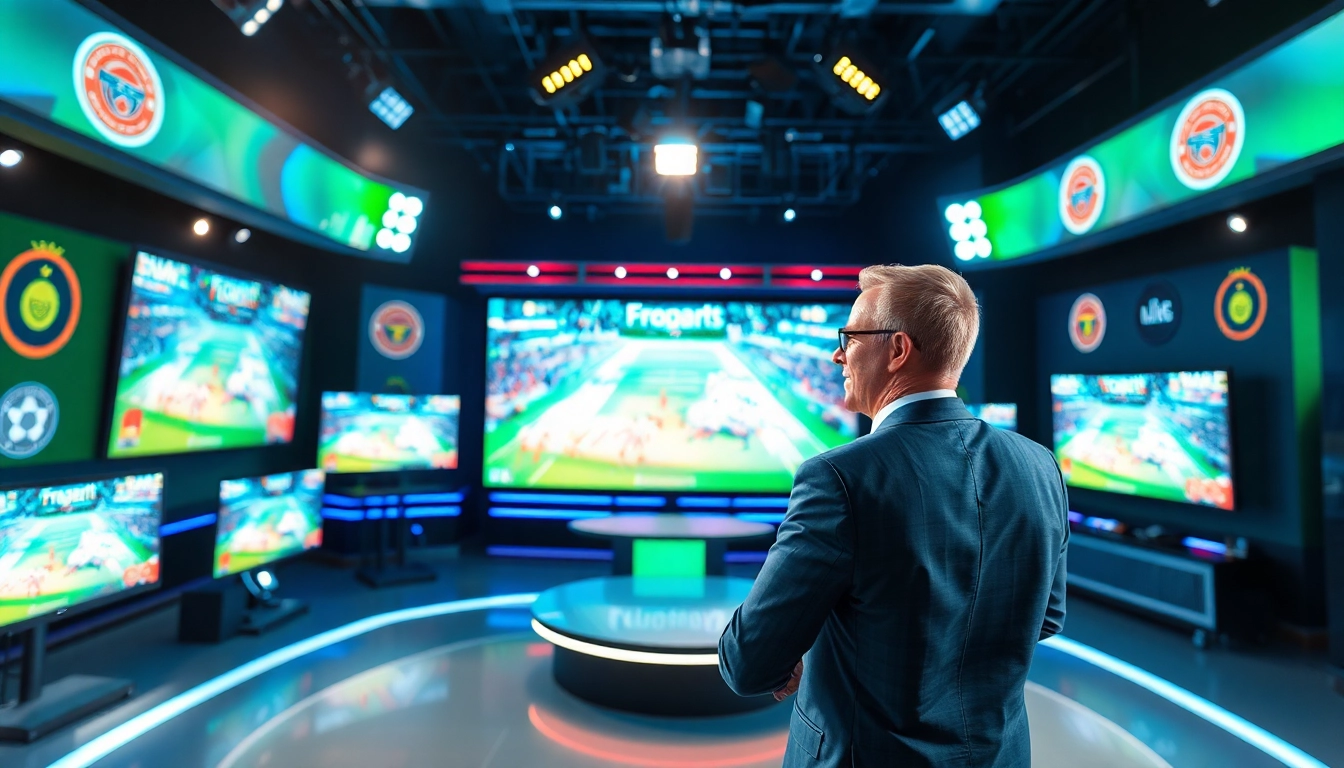
Understanding the Fundamentals of Sports Broadcasting
The Evolution of Sports Broadcasting
Sports broadcasting has transformed dramatically since the first radio broadcasts of live games in the early 20th century. Initially, broadcasts were limited to radio, allowing fans to listen in from afar. With the advent of television in the 1930s, sports coverage began to flourish as viewers could witness the action unfold in real-time in their homes. This shift not only changed how audiences experienced sports but also embraced new technology and production techniques. Riding on the waves of innovation, sports broadcasting adapted to the needs of its audience, ultimately leading to the integration of Sports Broadcasting with platforms like social media, streaming services, and interactive broadcasts.
Key Roles in Sports Broadcasting
Sports broadcasting comprises various roles, each vital to delivering memorable viewing experiences. The key players include:
- Play-by-Play Announcer: Responsible for narrating the game action in real-time, engaging viewers with exciting commentary.
- Color Commentator: Offers expert insights and analyses, enhancing the broadcast’s depth and context.
- Producers: Oversee the entire broadcast, coordinating between various segments and ensuring seamless transitions.
- Camera Operators: Capture the action from multiple angles, providing dynamic visual perspectives.
- Graphics and Audio Teams: Create on-screen graphics and handle sound equipment to support the overall production value.
Types of Sports Broadcasting Platforms
Today’s sports fans have diverse platforms to choose from, amplifying reach and viewership. The primary types include:
- Television: Traditional cable and satellite broadcasts remain powerful, renowned for large-scale events like the Super Bowl or World Cup.
- Radio: A reliable alternative, offering live commentary and engaging discussions, crucial for on-the-go audiences.
- Streaming Services: Platforms like Netflix and Amazon Prime have started streaming live events, capitalizing on the demand for flexibility and accessibility.
- Social Media: Platforms like Twitter and Facebook provide real-time updates, clips, and streaming options, catering to younger audiences who favor instant content.
Essential Techniques for Effective Sports Broadcasting
Preparing for Live Events
Preparation is key in sports broadcasting. Detailed planning includes thorough research on teams, player statistics, and storylines. Broadcasters must conduct pre-game meetings to align on key talking points and strategize on how to bring out the narratives that will engage viewers.
Developing Engaging Content
Engaging content is the backbone of sports broadcasting. Storytelling plays a crucial role in keeping viewers invested. Broadcasters should identify compelling angles—rivalries, player backstories, and societal impacts of sports events. Creativity in presenting statistics through visually appealing infographics is also essential. Furthermore, utilizing guest interviews, fan interactions, and behind-the-scenes footage can enrich the viewing experience.
Technical Skills and Equipment Usage
Technical proficiency is crucial for any sports broadcaster. Familiarity with various broadcasting equipment—cameras, audio systems, and live streaming technology—ensures high-quality delivery. Moreover, knowledge of graphic design tools can help in creating eye-catching visuals, and proficiency in editing software allows for polished content post-event.
Trends Influencing the Sports Broadcasting Landscape
The Rise of Digital Streaming Services
The burgeoning popularity of digital streaming services has reshaped sports broadcasting. Viewers increasingly prefer these platforms due to their accessibility, customizability, and lack of geographical restrictions. By adapting to this trend, broadcasters can tap into a far-reaching audience, engaging younger demographics who prefer on-demand content over traditional television.
Incorporating Social Media for Engagement
Social media platforms are no longer just avenues for updates; they are integral to interactive broadcasting. Engaging users through polls, live tweets, and real-time Q&As can enhance loyalty and viewer experience. The two-way communication found on these platforms allows for immediate feedback that broadcasters can use to tailor content and improve future broadcasts.
Impact of Virtual Reality on Broadcasting
Virtual reality (VR) presents an innovative frontier for sports broadcasting, providing immersive viewing experiences. By allowing fans to experience games as if they were in the stadium, VR is set to redefine how viewers interact with sports content. Implementing VR technology requires investment and expertise but can significantly raise the engagement bar for broadcasts.
Target Audience Engagement in Sports Broadcasting
Identifying Key Demographics
Understanding the audience is paramount in sports broadcasting. The target demographic may vary between different types of sports. Identifying fans’ age, gender, location, and preferences through surveys and analyses helps shape the broadcasting approach, ensuring content resonates with diverse audience segments.
Creating Interactive Viewing Experiences
Interactive viewing experiences enhance engagement significantly. Broadcasters should consider multiperspective views, choose-your-own-adventure formats, or augmented reality experiences that allow users to feel more involved. Implementing chat options can grant fans a platform to discuss in real-time, fostering community while watching the game.
Utilizing Audience Feedback for Improvement
Audience feedback is a vital component in refining broadcasting strategies. Broadcasting teams should actively seek and analyze viewer responses through surveys, social media interactions, and ratings. This direct feedback loop can guide critical decisions and adaptations, ensuring that the content meets or exceeds audience expectations.
Metrics and Analytics in Sports Broadcasting
Tracking Viewership and Ratings
Monitoring viewership and ratings is crucial for understanding the audience’s pulse. Employing analytics tools allows broadcasters to gauge performance across different demographics, measuring aspects such as total viewership, engagement rates, and peak viewing times. This data can help refine programming approaches and secure advertising sponsorships.
Analyzing Audience Engagement Metrics
Beyond tracking viewer counts, analyzing engagement metrics provides insights into audience behavior. Metrics like social media interactions, comment frequency, and online streaming habits reveal how viewers engage with content. By evaluating these aspects, broadcasters can pivot their strategies to enhance conversations around broadcasts.
Enhancing Future Broadcasts with Data Insights
Data is a powerful tool in enhancing future broadcasts. Insights gathered from analytics can inform decisions about programming, team dynamics, and viewer preferences. Reacting to data intelligently means that broadcasters can anticipate trends and innovate in ways that resonate with the audience.